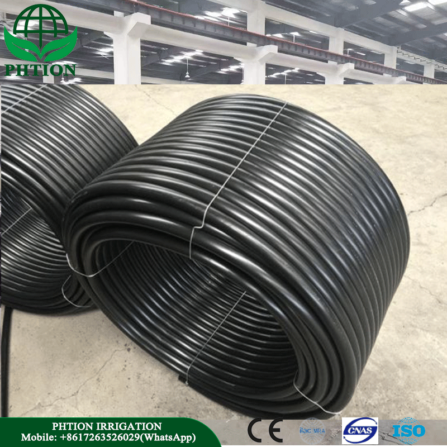
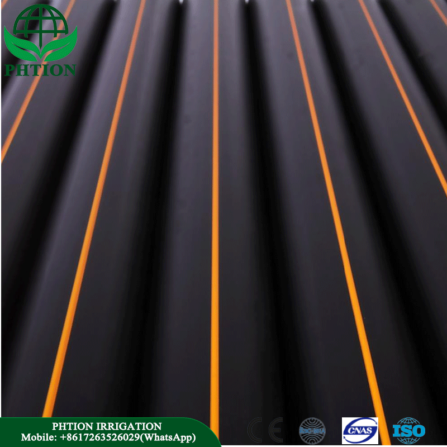
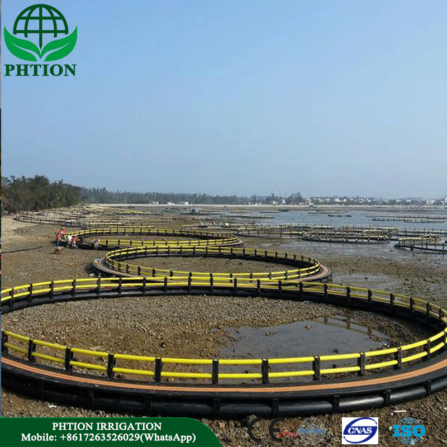
HDPE fire pipe details description:
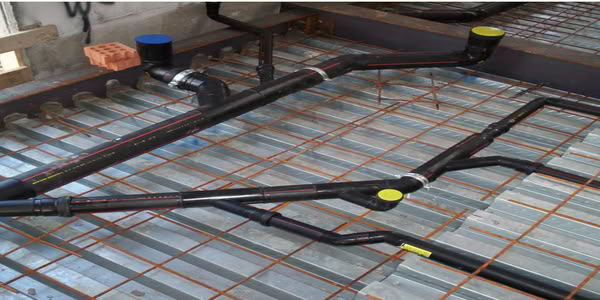
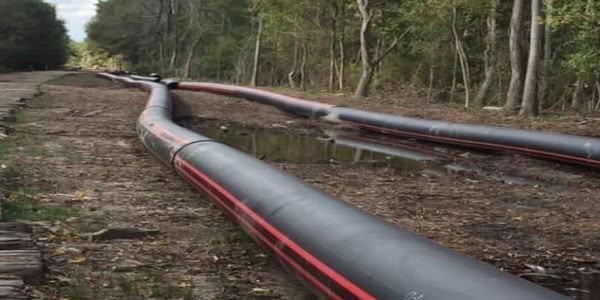
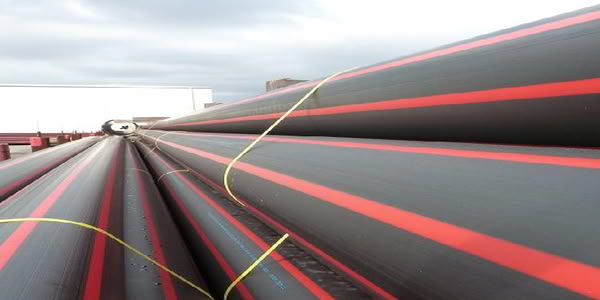
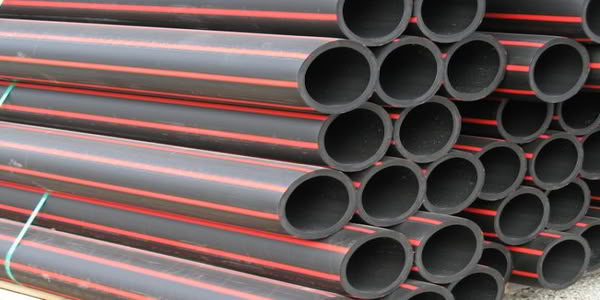
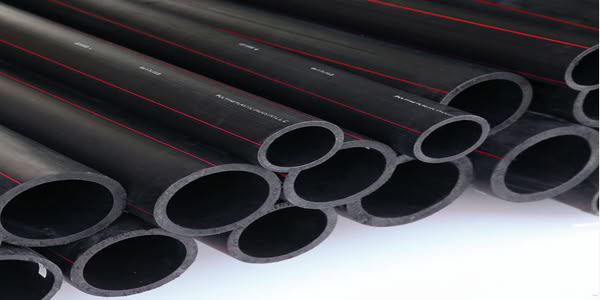
HDPE fire pipe is a special fire pipe made of high density polyethylene (HDPE) as the main raw material by extrusion molding process. Compared with traditional metal pipes, it has the advantages of corrosion resistance, light weight, long life, convenient installation, etc., and is widely used in fire water supply system, automatic spray system and emergency fire pipe network.
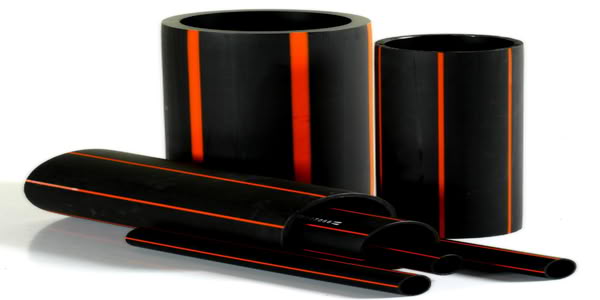
HDPE fire pipe material characteristics and advantages:
Excellent corrosion resistance
Chemical erosion resistance: can withstand acid, alkali, salt, organic solvents and other corrosive media (such as sulfuric acid, hydrochloric acid, sodium hydroxide, etc.), to avoid corrosion of metal pipes and electrochemical corrosion problems.
No electrochemical corrosion: There is no need for cathodic protection or anti-corrosion coating as with metal pipes.
High strength and impact resistance
High density polyethylene (HDPE) has a tight molecular structure and high tensile strength (≥20MPa), while maintaining flexibility and resisting external impact and foundation settlement.
Pressure resistance: The working pressure is usually PN6~PN16 (0.6~1.6MPa), and some enhanced types can reach higher pressures.
Lightweight and easy to install
Light weight: the density is only 0.95g/cm³, about 1/8 of the steel pipe, and the transportation and construction costs are low.
Long life and low maintenance
Long service life: up to 50 years in the conventional chemical environment, far more than the steel pipe (10 to 20 years to replace)
HDPE fire pipe connection:
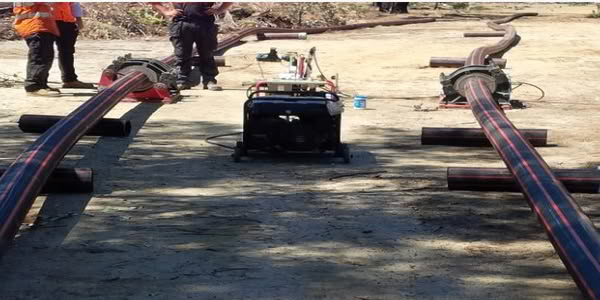
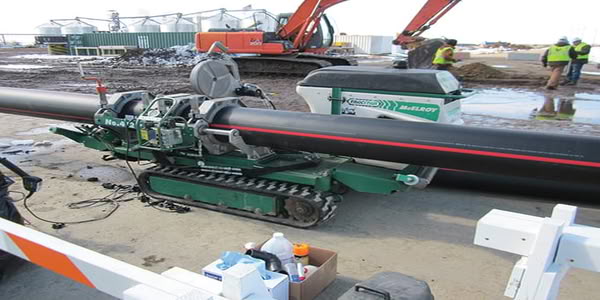
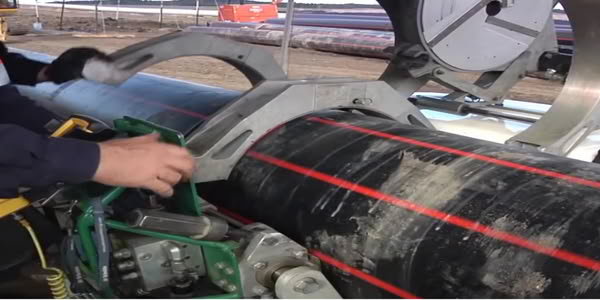
Hot melt connection: The hot melt machine is used to heat the connection part of the pipe and pipe fittings to a molten state, and then the two are quickly bonded, cooled and solidified under a certain pressure to form a solid connection. Suitable for the same material, nominal outer diameter ≥63mm pipe and pipe, pipe and pipe fittings connection.
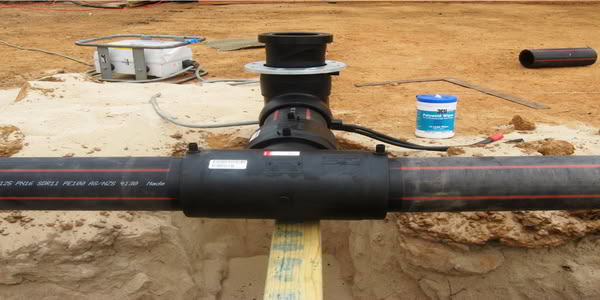
Electric fusion connection: the electric fusion pipe is set on the pipe, and the resistance wire in the electric fusion pipe is electrified through the electric fusion welding machine, so that the resistance wire heats up and the contact surface of the pipe and the pipe is melted, and the body is formed after cooling. Suitable for various specifications of HDPE water pipe connection, especially suitable for nominal outer diameter < 63mm pipe or can not use hot melt connection occasions.
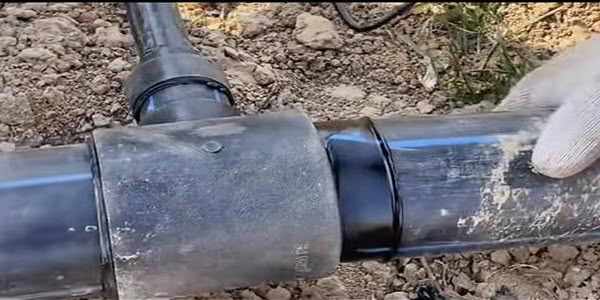
Socket connection: First heat one end of the HDPE pipe to soften it, and then insert the other end into the softening end, and then heat and apply pressure to make the two closely combined. This connection method is suitable for small-caliber HDPE pipes, convenient installation, fast connection speed, but the connection strength is slightly lower than that of hot melt butt and electric melt connection.
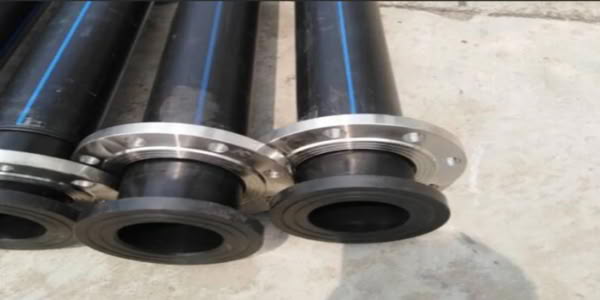
Flange connection: The HDPE pipe and flange are connected together by hot melt or electric melt, and then the two flanges are connected by bolts, and the sealing gasket is installed in the middle to realize the connection and sealing of the pipeline. The flange connection is suitable for the connection of HDPE pipes with valves, flowmeters and other equipment, as well as the parts that need to be disassembled frequently, which is easy to maintain and overhaul.
PE quick joint connection:This joint has an internal cavity into which the PE pipe can be inserted, sealed and fixed by sealing rings or elastic clasp and other components, suitable for small and medium diameter PE pipe connection.
|
|
 |
|
Socket connection |
Flange connection |
PE quick joint connection |