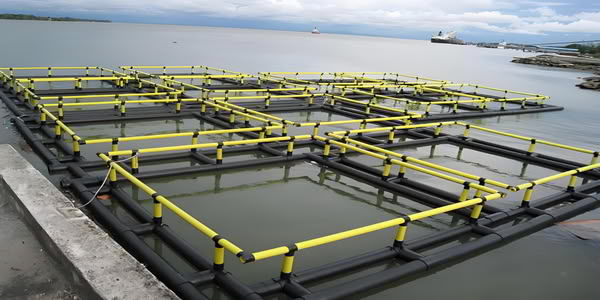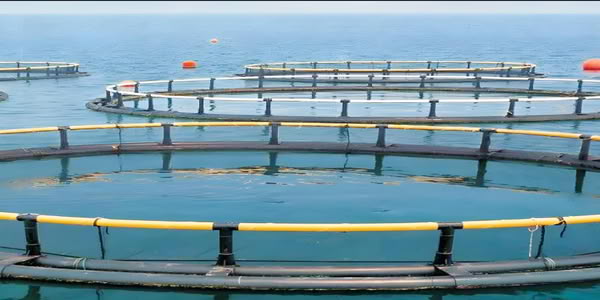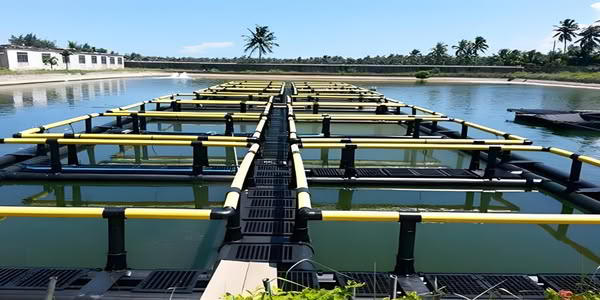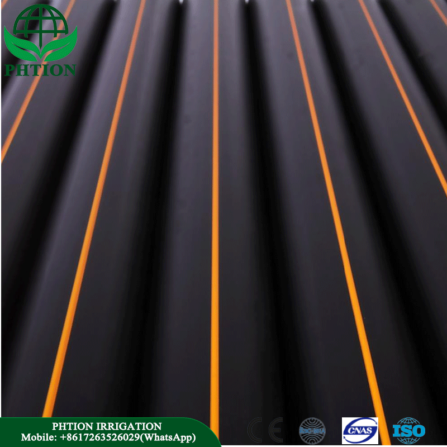
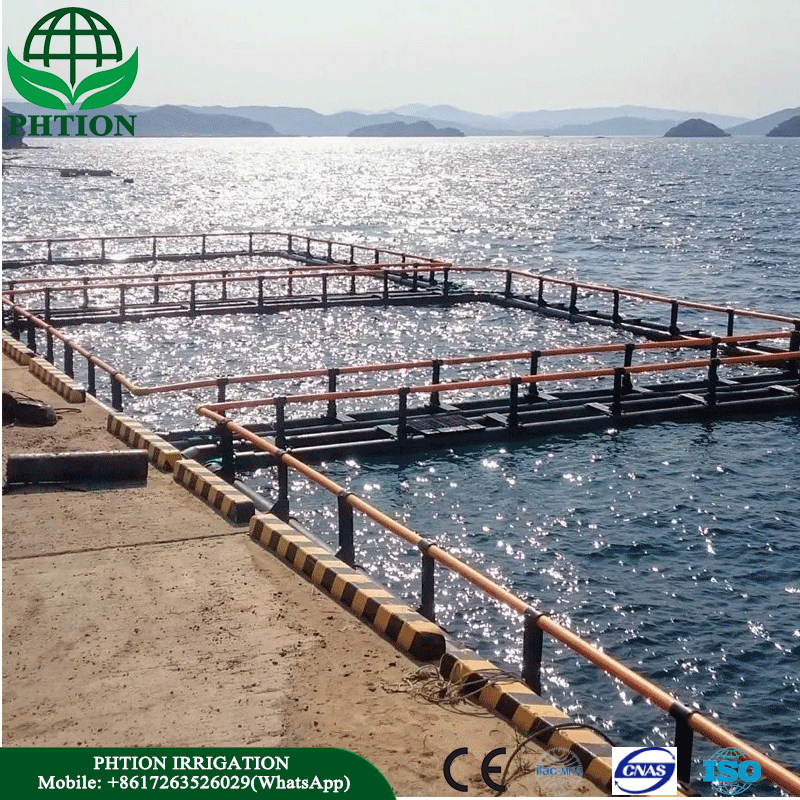
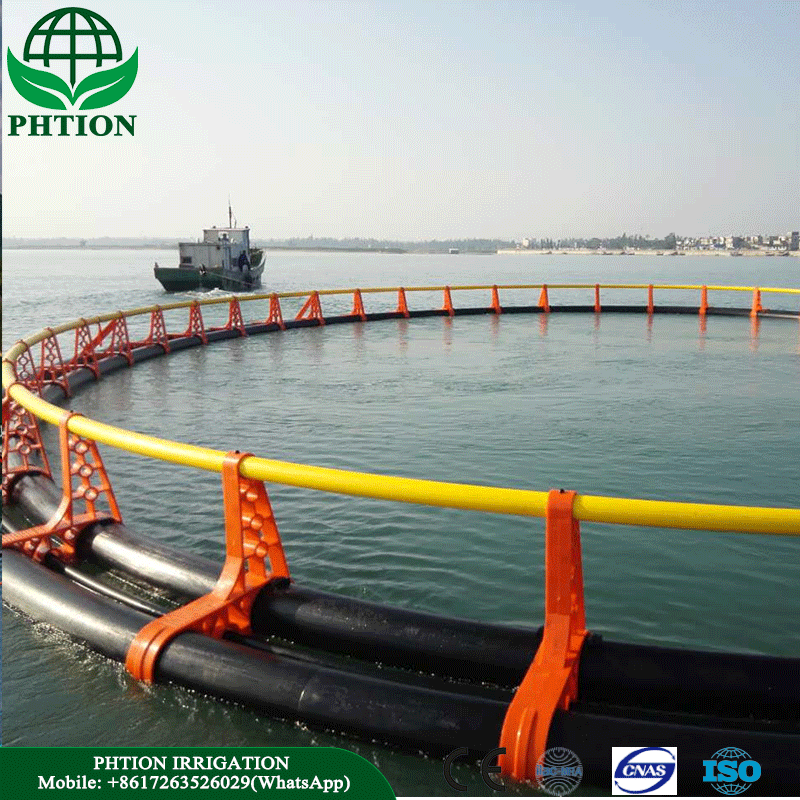
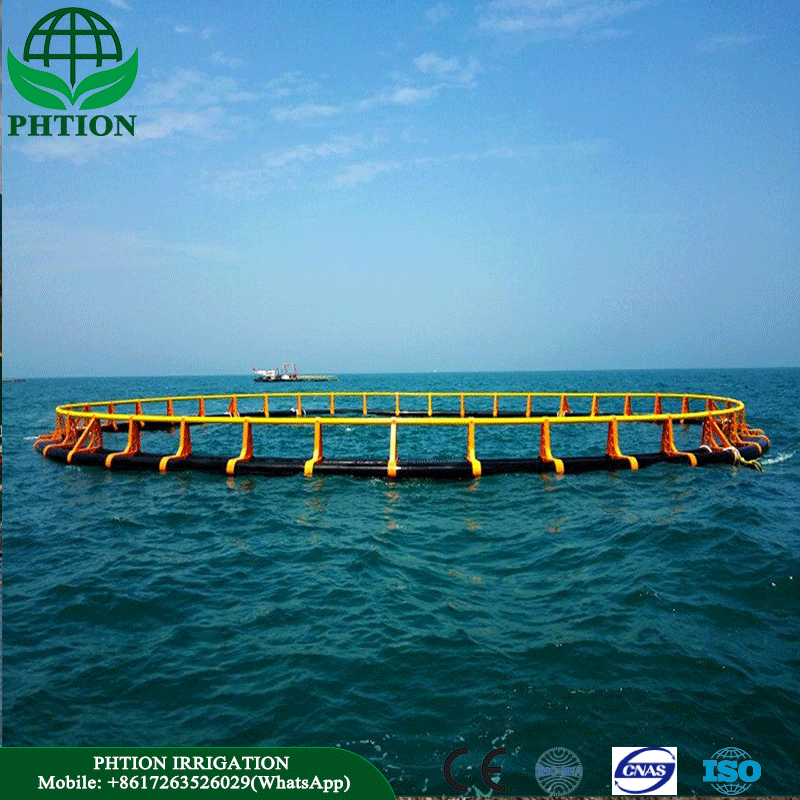
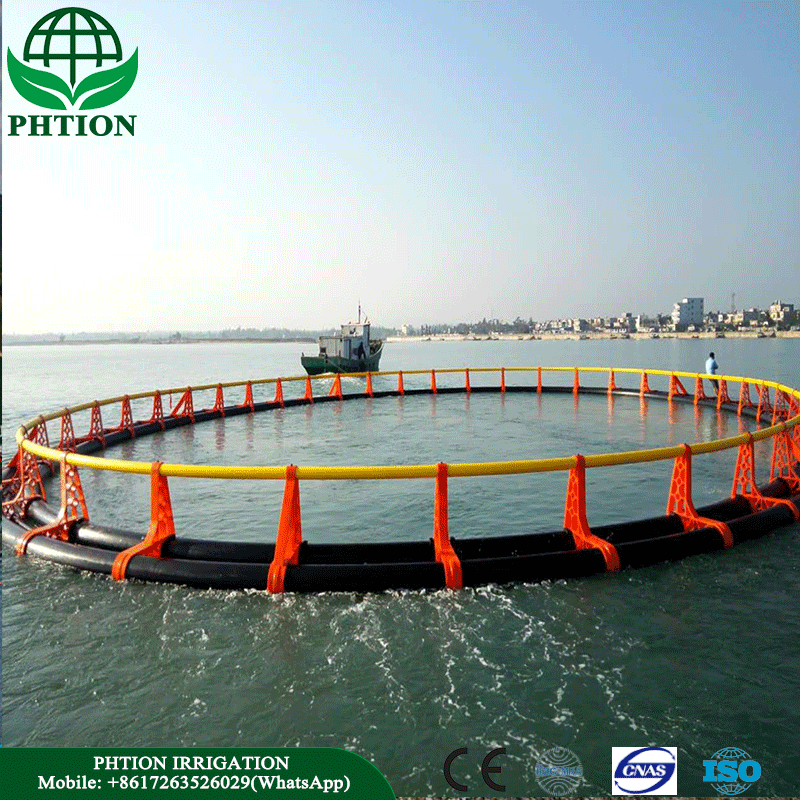

HDPE aquaculture cage tube details description:
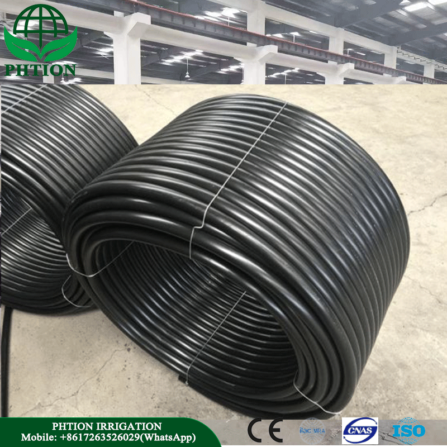
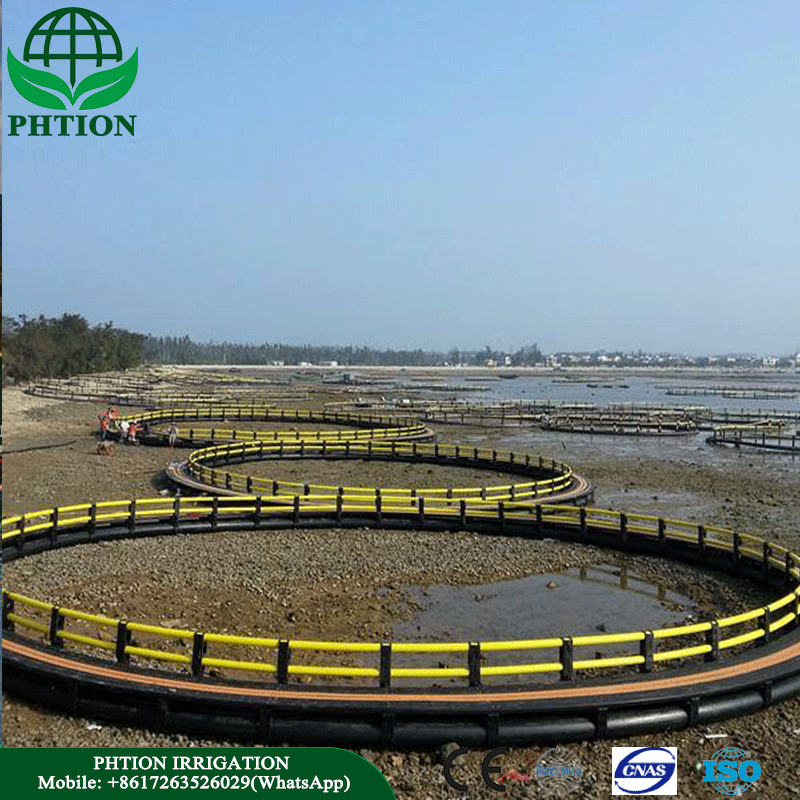
HDPE aquaculture cage tube
is a high density polyethylene (HDPE) material cage tube. HDPE has excellent chemical stability, can resist the
erosion of various chemical substances in seawater, fresh water and aquaculture environment, is not easy to rust and
corrosion, and extends the service life of the cage. In the Marine environment, it can withstand the corrosion of
seawater and the impact of wind and waves, and is widely used in deep-sea fish farming, shellfish farming and other
fields to provide stable growth space for aquaculture organisms. HDPE aquaculture cages can be customized according
to different farming environments and breeds.
The components of HDPE aquaculture cages usually include the
following main parts, each of which has its specific function to ensure that the cages can work statically in
aquaculture for a long time:
1. HDPE pipe body
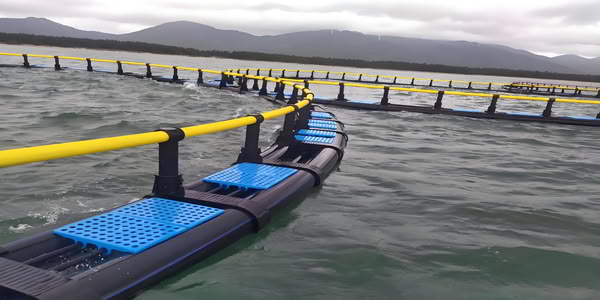
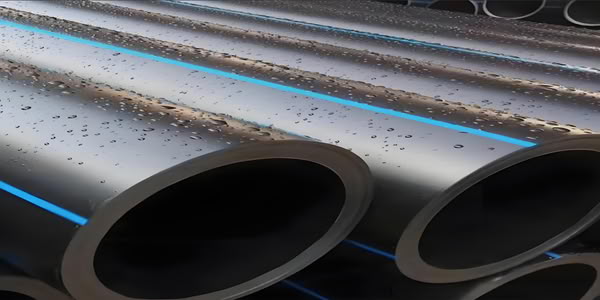
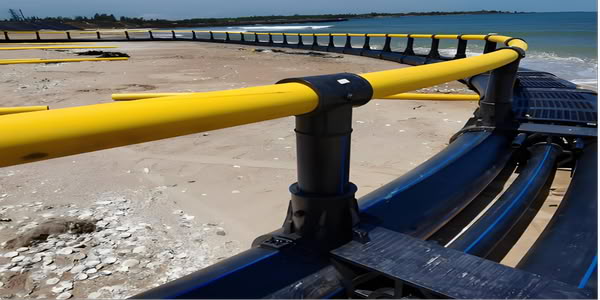
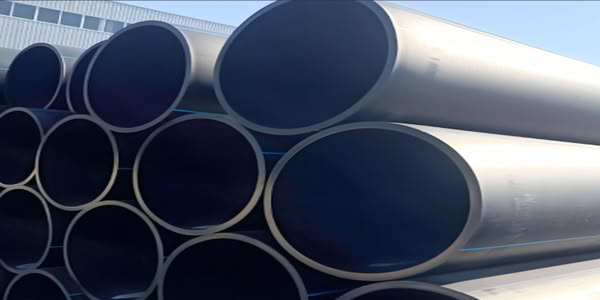
Main float tube: As the buoyancy support of the cage, usually for a large diameter HDPE tube (such as 200mm-400mm), the hollow design provides buoyancy to ensure that the cage floats on the water surface.
Connecting pipe/frame pipe: used to build the three-dimensional structure of the cage (such as square, circular frame), and connected with other pipes through three-way, four-way and other joints.
2. Connecting pieces
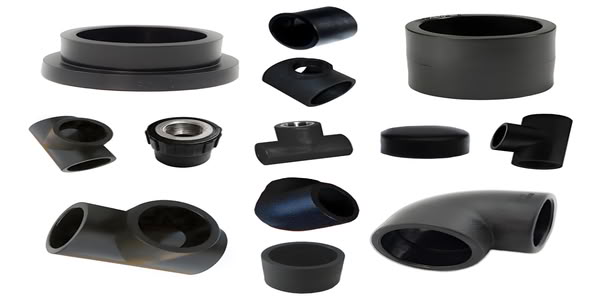
HDPE joint: including three-way, four-way, elbow, straight, etc., used for fixed connection between pipes to ensure the stability of the frame.
Metal fasteners: stainless steel bolts, clamps and other auxiliary reinforcement of key nodes to prevent joint loosening.
3. Buoyancy component (optional)
Built-in floating body: If the HDPE tube is not buoyant enough, the tube may be filled with foam or other buoyant materials.
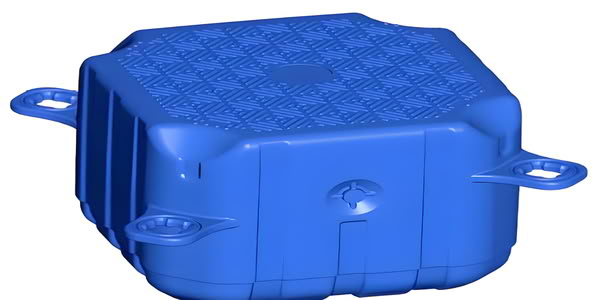
Additional pontoons: External pontoons are added to enhance overall buoyancy.
4. Mesh fixing system
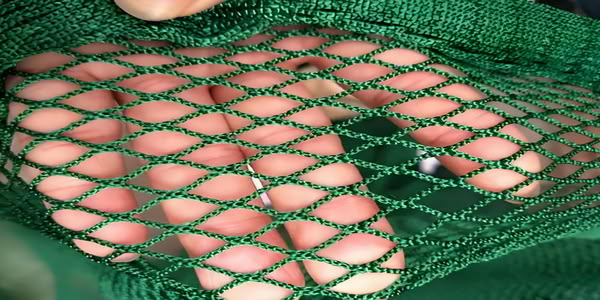
Fixing ring or hook: The metal ring or plastic hook reserved on the HDPE pipe is used to bind the net garment.
Rope channel: Some design in the pipe wall reserved channel, easy to fix the net rope.
5. Accessories
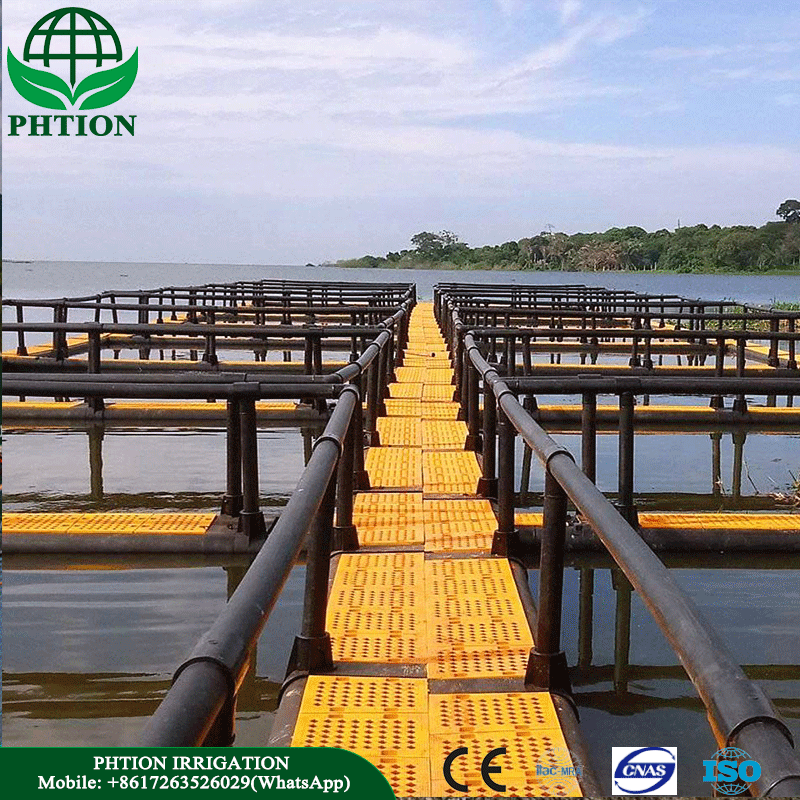
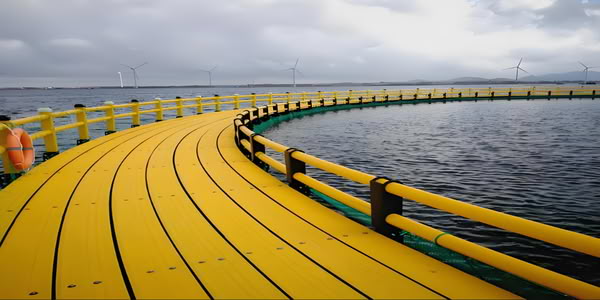
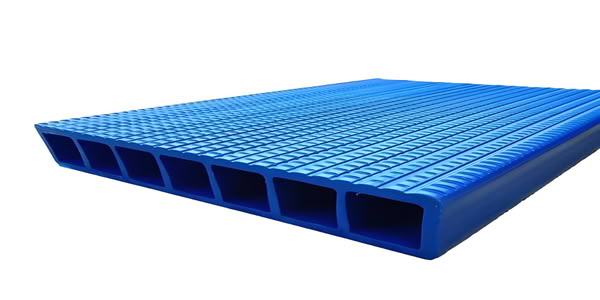
Walkway or pedal (optional) : Some cages are equipped with HDPE pedals on the frame for easy manual operation.
Sink or anchor point: used to connect the anchor rope and fix the cage position
 |
 |
 |
 |
 |
 |
 |
 |
 |
HDPE aquaculture cage tube material characteristics and advantages:
High corrosion resistance: HDPE has excellent chemical stability, can resist the erosion of various chemical substances in seawater, fresh water and aquaculture environment, is not easy to rust and corrosion, and extends the service life of the cage.
Good anti-aging performance: After the addition of anti-aging additives, HDPE breeding cage tube can resist the influence of ultraviolet radiation, temperature changes and other factors in long-term outdoor use, slow down the aging rate of materials, and maintain good physical properties.
Good flexibility: This pipe has high flexibility, can be bent and formed according to the design requirements of the aquaculture cage, adapt to the cage structure of different shapes and sizes, and can be better buffered when the external impact, not easy to break.
Light weight: The density of HDPE is smaller, making the pipe lighter, easy to handle, install and operate, reducing the difficulty of construction and labor intensity.
Environmental protection and non-toxic: HDPE material itself is non-toxic, will not cause pollution to aquaculture aquatic organisms and farming environment, meet environmental requirements, is conducive to the sustainable development of aquaculture.
HDPE aquaculture cage tube connection mode:
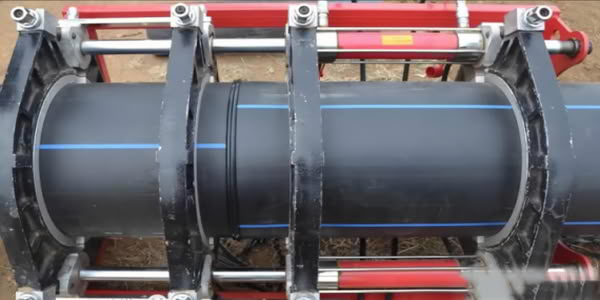
Hot melt connection: The hot melt machine is used to heat the connection part of the pipe and pipe fittings to a molten state, and then the two are quickly bonded, cooled and solidified under a certain pressure to form a solid connection. Suitable for the same material, nominal outer diameter ≥63mm pipe and pipe, pipe and pipe fittings connection.
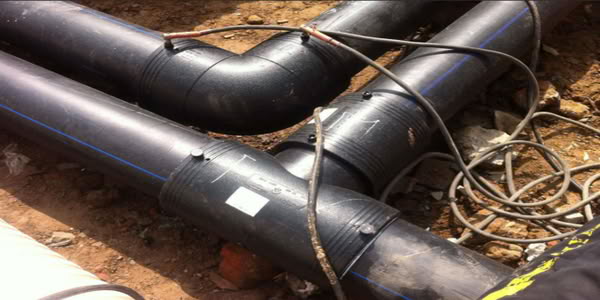
Electric fusion connection: the electric fusion pipe is set on the pipe, and the resistance wire in the electric fusion pipe is electrified through the electric fusion welding machine, so that the resistance wire heats up and the contact surface of the pipe and the pipe is melted, and the body is formed after cooling. Suitable for various specifications of HDPE water pipe connection, especially suitable for nominal outer diameter < 63mm pipe or can not use hot melt connection occasions.
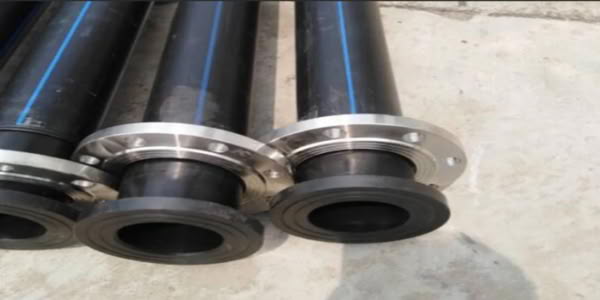
Flange connection: The HDPE pipe and flange are connected together by hot melt or electric melt, and then the two flanges are connected by bolts, and the sealing gasket is installed in the middle to realize the connection and sealing of the pipeline. The flange connection is suitable for the connection of HDPE pipes with valves, flowmeters and other equipment, as well as the parts that need to be disassembled frequently, which is easy to maintain and overhaul.