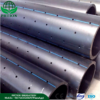
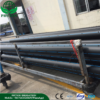
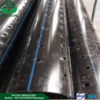
HDPE perforated pipe details description:
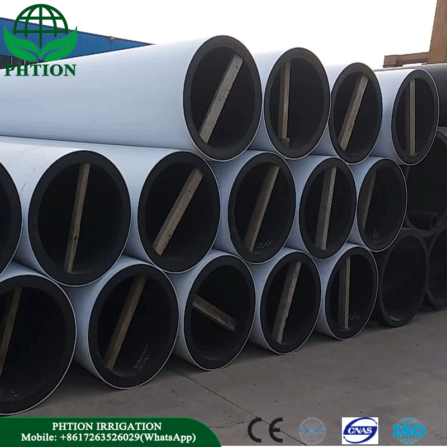
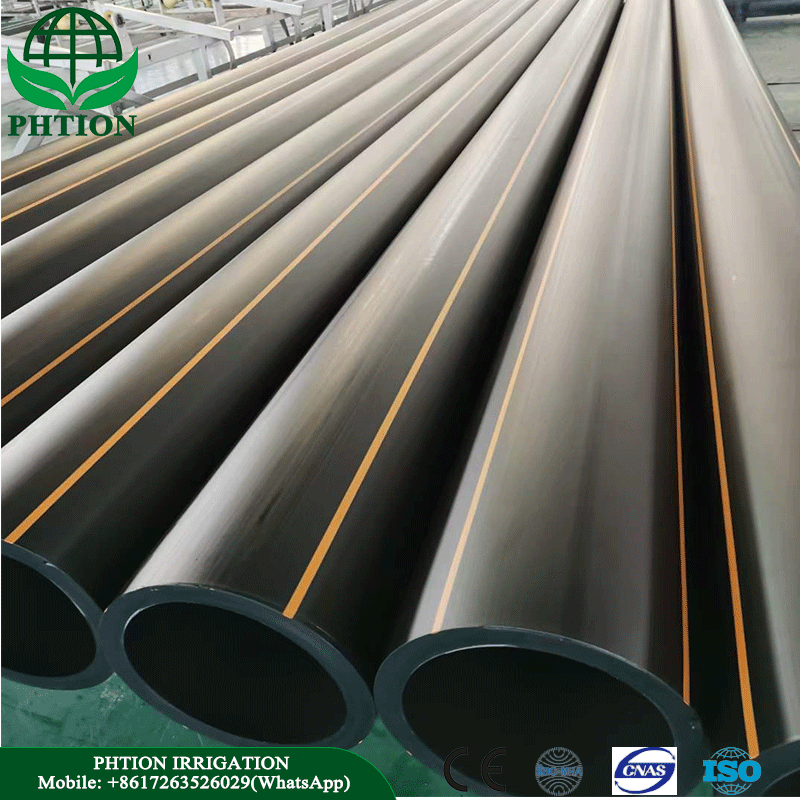
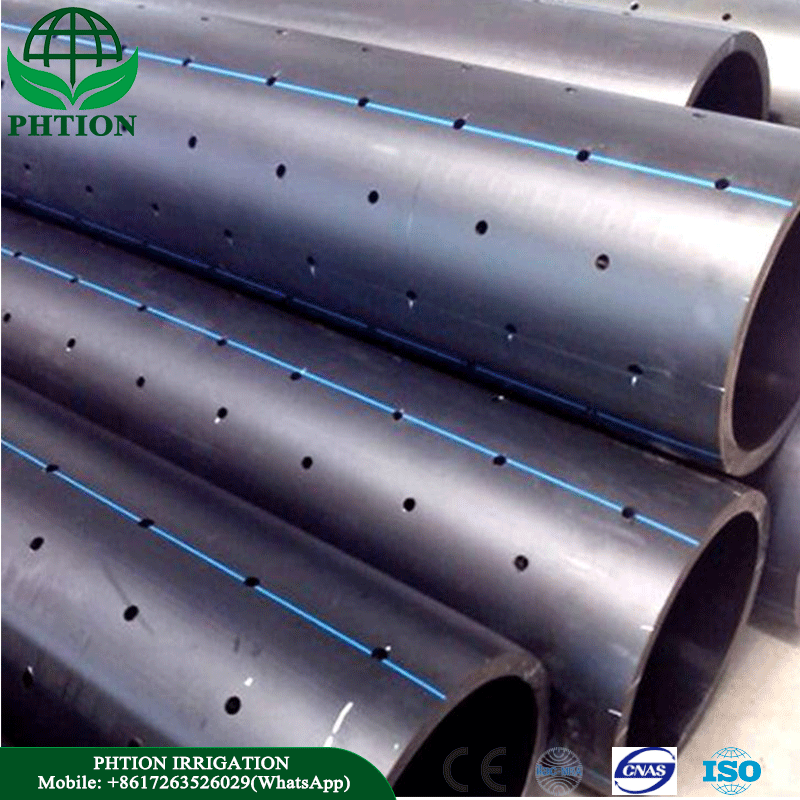
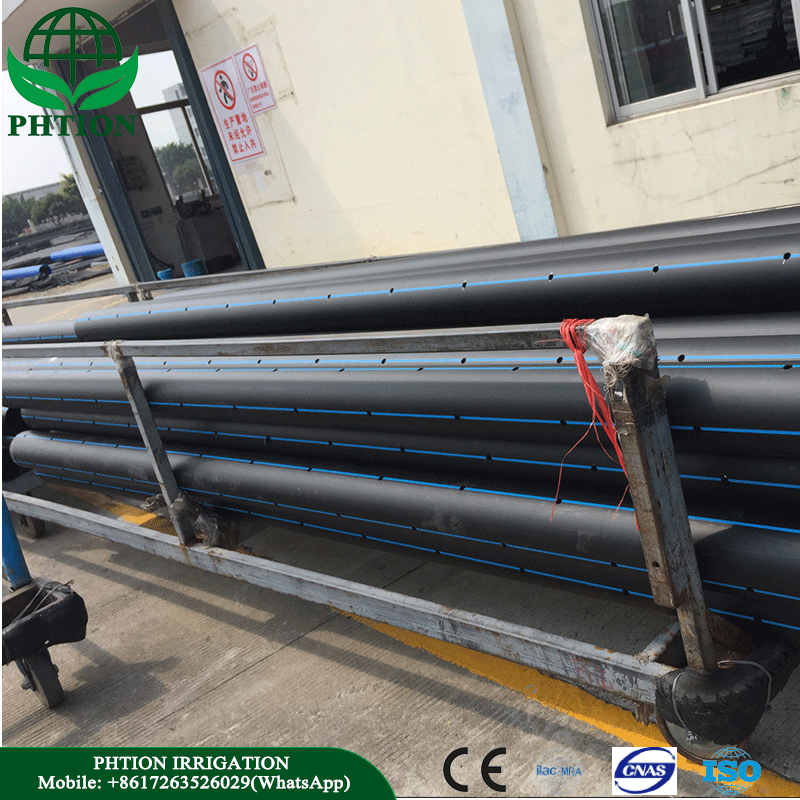
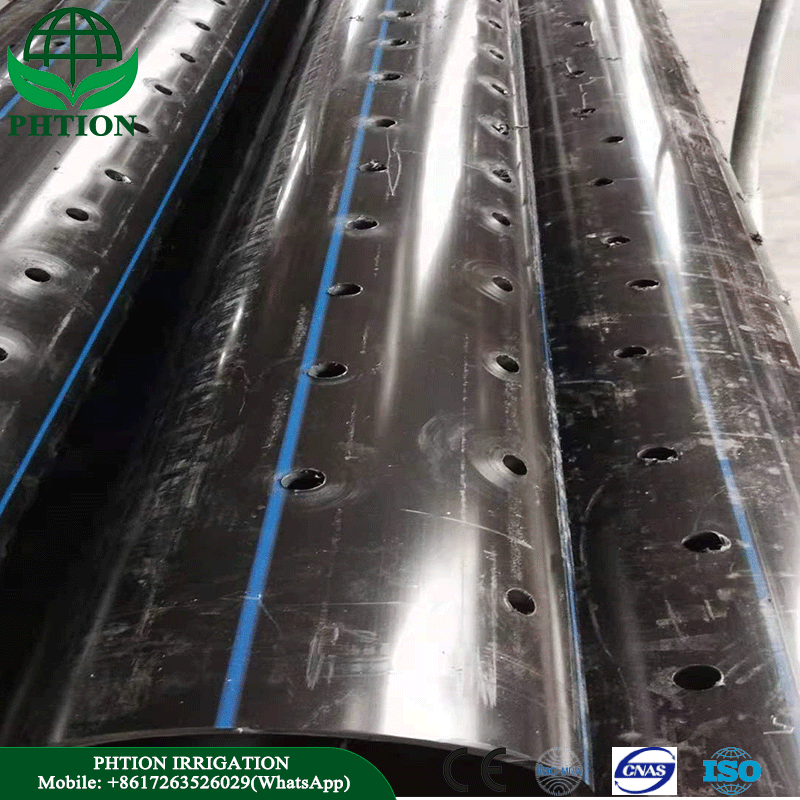
HDPE perforated pipe is a
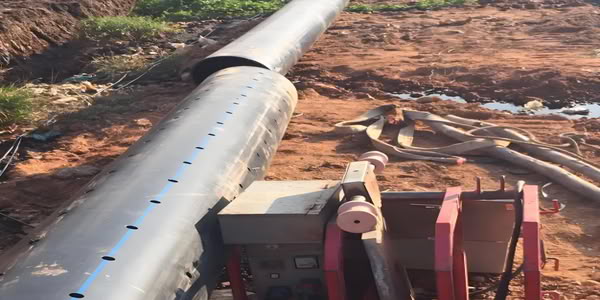
functional engineering pipe with regular holes on the wall of high-density polyethylene pipe, which combines the
corrosion resistance of HDPE material and the drainage and ventilation characteristics of the open hole structure.
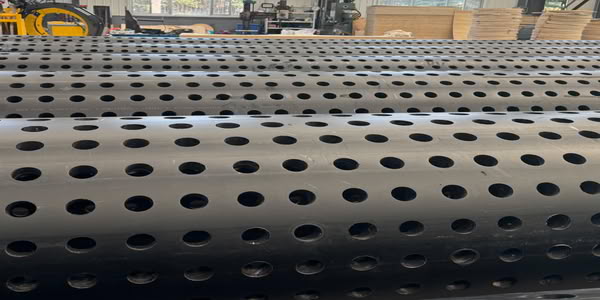
The pipe body adopts CNC laser or hydraulic punching process, the standard aperture is 6-20mm, the opening rate is
8%-15%, and the hole shape includes round, bar or plum shape arrangement, which can be customized to meet different
penetration needs. Its core advantage is precise hydraulic control – scientifically calculated hole spacing and
opening patterns ensure efficient drainage (up to 5L/s·m) while effectively preventing soil loss.


HDPE perforated pipe material characteristics and advantages:
Good drainage performance: there are many holes evenly distributed on the pipe wall, which can quickly and effectively collect and discharge rainwater, sewage or other liquids, speed up drainage and reduce water accumulation.
Strong corrosion resistance: Made of high-density polyethylene, with excellent resistance to acid, alkali, salt and other chemical corrosion ability, can be used in harsh environment for a long time, not easy to be damaged by corrosion, extending the service life of the pipeline.
Good flexibility: The HDPE material itself has good flexibility, making the perforated pipe can adapt to a certain degree of ground settlement and soil deformation, and is not easy to break due to slight movement of the ground, improving the stability and reliability of the pipeline system.
Excellent anti-aging performance: It can resist the influence of natural factors such as ultraviolet radiation and oxidation, it is not easy to age and embrittlement, and it can maintain good performance even if it is exposed to outdoor environment for a long time.
High mechanical strength: with high compressive and tensile strength, it can withstand a certain amount of external pressure, including soil pressure and the pressure of ground vehicles and other loads, and is not easy to deformation or damage.
Environmental non-toxic: HDPE material is non-toxic and tasteless, will not cause pollution to the environment and water quality, can be safely applied to a variety of water-related projects, in line with environmental requirements.
Convenient construction: relatively light weight, easy to handle and install, simple connection, usually using hot melt or electric melt connection, can quickly complete the connection of the pipeline, improve construction efficiency, reduce construction costs.
Controllable water permeability: The density, size and distribution of the holes can be adjusted according to different engineering requirements, and the water permeability of the pipes can be accurately controlled to meet various drainage and filtration requirements.
HDPE perforated pipe connection:
Hot melt connection: The hot melt machine is used to heat the connection part of the pipe and pipe fittings to a molten state, and then the two are quickly bonded, cooled and solidified under a certain pressure to form a solid connection. Suitable for the same material, nominal outer diameter ≥63mm pipe and pipe, pipe and pipe fittings connection.
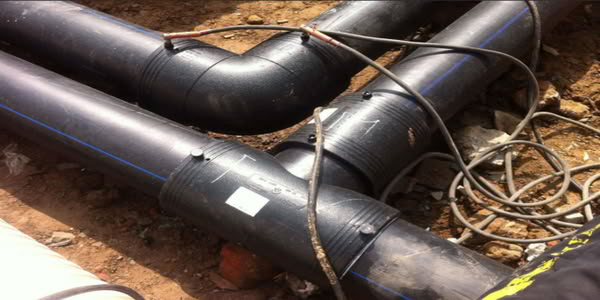
Electric fusion connection: the electric fusion pipe is set on the pipe, and the resistance wire in the electric fusion pipe is electrified through the electric fusion welding machine, so that the resistance wire heats up and the contact surface of the pipe and the pipe is melted, and the body is formed after cooling. Suitable for various specifications of HDPE water pipe connection, especially suitable for nominal outer diameter < 63mm pipe or can not use hot melt connection occasions.
Socket connection: First heat one end of the HDPE pipe to soften it, and then insert the other end into the softening end, and then heat and apply pressure to make the two closely combined. This connection method is suitable for small-caliber HDPE pipes, convenient installation, fast connection speed, but the connection strength is slightly lower than that of hot melt butt and electric melt connection.
Flange connection: The HDPE pipe and flange are connected together by hot melt or electric melt, and then the two flanges are connected by bolts, and the sealing gasket is installed in the middle to realize the connection and sealing of the pipeline. The flange connection is suitable for the connection of HDPE pipes with valves, flowmeters and other equipment, as well as the parts that need to be disassembled frequently, which is easy to maintain and overhaul.
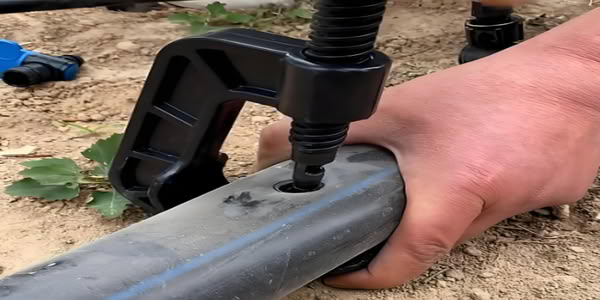
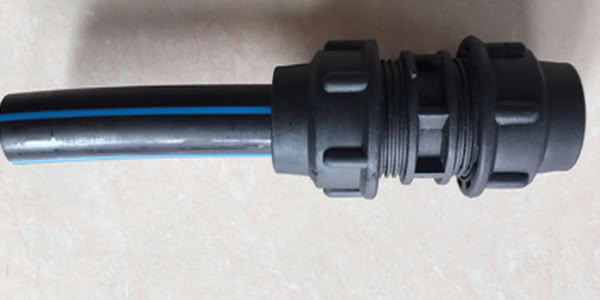
PE quick joint connection: This joint has an internal cavity into which the PE pipe can be inserted, sealed and fixed by sealing rings or elastic clasp and other components, suitable for small and medium diameter PE pipe connection.


|

|
 |
|
Socket connection |
Flange connection |
PE quick joint connection |