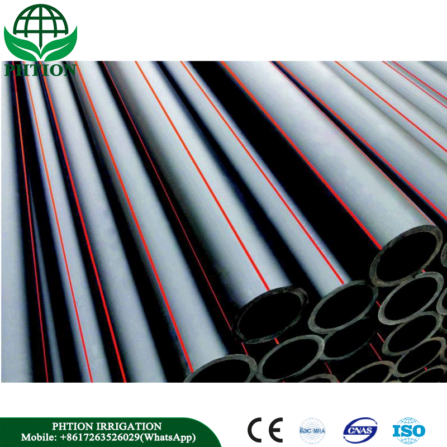
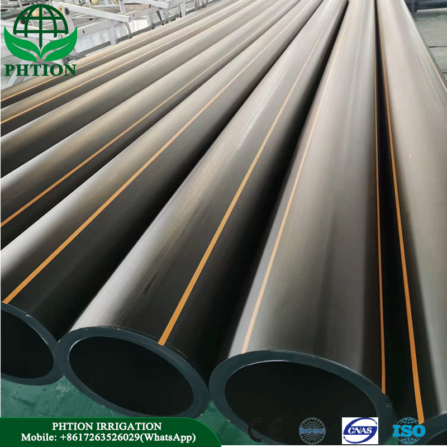
HDPE dredging pipe details description:
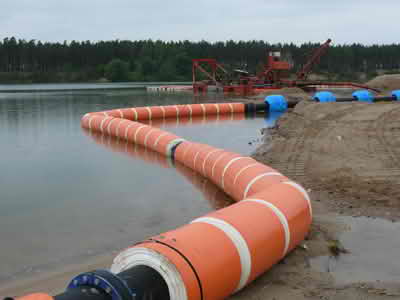
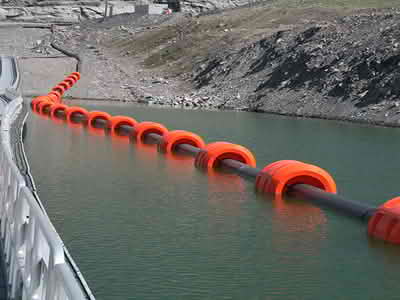
HDPE dredging pipe is a special dredging pipe made of high density polyethylene (HDPE). HDPE dredging pipe has high wear resistance, corrosion resistance, aging resistance, adhesion resistance, high impact resistance, non-toxic and chemical stability, and is a new type of engineering plastic pipe with excellent performance. HDPE dredging pipe is widely used, mainly because it has the advantages that other pipes cannot compare: easy to weld and electric fusion welding to form a closed anti-seepage system, which can reduce the amount of trench excavation and reduce the amount of accessories when laying along the trench; Light weight and easy to install and handle; Strong wear resistance and excellent hydraulic performance, in the buried pipeline cannot need outer protection. Can be used for indoor and outdoor water supply pipes; Long service life, with a service life of more than almost 50 years; Easy to recycle.

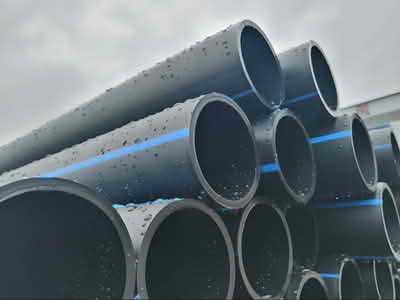


HDPE dredging pipe material characteristics and advantages:
Strong corrosion resistance
HDPE dredging pipes have excellent chemical resistance. It can effectively resist acid, alkali, salt
and corrosive substances in water, especially suitable for seawater, sewage and chemical media environment, to avoid
the shortening of service life caused by corrosion of traditional metal pipes.
Excellent wear resistance
Dredging operations often involve high levels of wear, especially the friction between pipes and sand,
soil and other materials. HDPE material has good wear resistance and will not be damaged by friction during a long
dredging operation, ensuring long-term stable operation of the pipeline.
High compressive and tensile resistance
The HDPE dredging pipe can withstand high pressure environment and will not break due to excessive
pressure during dredging. In addition, HDPE pipes have high tensile resistance and can adapt to a wide range of
extension and contraction, avoiding pipeline damage caused by external forces.
Good flexibility
Due to the
high flexibility of HDPE pipeline, it can adapt to deformation in different terrain and environment, especially in
the underwater or Marine environment, and can withstand the influence of natural factors such as crustal activity
and tidal changes. Its excellent flexibility makes the pipeline more suitable for complex construction
conditions.
Simple and reliable connection
HDPE dredging pipe adopts hot melt connection or electric melt
connection technology, which ensures the fastness and air tightness of pipe joints and avoids operation interruption
caused by joint leakage. The connection is simple, the construction is fast, and the construction time and cost are
reduced.
Lightweight design
The weight of the HDPE dredging pipe is light, and it is easy to transport, handle
and install. In dredging operations, reliance on heavy equipment is reduced and work efficiency is improved,
especially for remote or hard-to-reach construction areas.
Low temperature resistance
HDPE dredging pipe has
good low temperature performance, even in a cold environment is not easy to crack, can maintain high strength and
toughness. This makes it suitable for low-temperature environments or winter operations.
Long service life
HDPE pipes have a long service life, usually reaching more than 50 years. This makes it have low maintenance
requirements in long-term dredging projects and reduces the operation and maintenance cost of the overall
project.
Environmental protection and recyclability
HDPE dredging pipe is an environmentally friendly material
with recyclable characteristics. It can be recycled after use, in line with the requirements of modern environmental
protection and sustainable development.
HDPE dredging pipe construction method:
Hot melt connection:
The hot
melt machine is used to heat the connection part of the pipe and pipe fittings to a molten state, and then the two
are quickly bonded, cooled and solidified under a certain pressure to form a solid connection. Suitable for the same
material, nominal outer diameter ≥63mm pipe and pipe, pipe and pipe fittings connection.
Electric fusion connection:
the electric fusion pipe is set on the pipe, and the resistance wire in the electric fusion pipe is
electrified through the electric fusion welding machine, so that the resistance wire heats up and the contact
surface of the pipe and the pipe is melted, and the body is formed after cooling. Suitable for various
specifications of HDPE pipe connection, especially suitable for nominal outer diameter < 63mm pipe or can not use
hot melt connection occasions.
Socket connection:
First heat one end of the HDPE pipe to soften it, and then
insert the other end into the softening end, and then heat and apply pressure to make the two closely combined.
This connection method is suitable for small-caliber HDPE pipes, convenient installation, fast connection speed,
but the connection strength is slightly lower than that of hot melt butt and electric melt connection.
Flange connection:
The HDPE pipe and flange are connected together by hot melt or electric melt, and then the two flanges
are connected by bolts, and the sealing gasket is installed in the middle to realize the connection and sealing of
the pipeline. The flange connection is suitable for the connection of HDPE pipes with valves, flowmeters and other
equipment, as well as the parts that need to be disassembled frequently, which is easy to maintain and
overhaul.
PE quick joint connection:
This joint has an internal cavity into which the PE pipe can be inserted,
sealed and fixed by sealing rings or elastic clasp and other components, suitable for small and medium diameter PE
pipe connection.